
There’s something about the way Cajun spices hit your tongue—spicy, smoky, a little fiery—that makes me reach for this dish on nights when I need a bit of warmth. Shrimp Cajun Pasta isn’t just about bold flavors; it’s that perfect combo of heat and comfort, like a spicy hug in a bowl. I love how the simple act of tossing pasta with a kick of Cajun seasoning can turn a regular weeknight dinner into a small celebration of flavor.
What keeps me coming back to this recipe is how it balances chaos and coziness. The shrimp, pink and slightly caramelized, soak up the smoky spice while the pasta gets coated in a rich, spicy sauce that clings to every strand. It’s the kind of dish that makes you want seconds, even when your mouth is tingling.
And honestly, it’s one of those meals that feels like a little secret—you know, the kind you whip up quickly but still impresses with its boldness. It’s perfect for nights when I want something familiar but with a surprising punch that wakes up my taste buds. Plus, the aroma of garlic and Cajun spices simmering together? It’s pure comfort in my kitchen.
Focusing on the surprising balance of heat and comfort in this dish, highlighting how a spicy Cajun kick transforms simple pasta into a cozy, crave-worthy meal that warms you from the inside out.
Unexpected Warmth in Every Bite
- Cooking this dish reminds me of summer nights in Louisiana, where the air is thick with spice and laughter.
- I get a little proud every time I see the pink shrimp nestled in that spicy, smoky sauce—like a small victory on a busy weeknight.
- There’s a rush of relief when I toss the pasta just right and the sauce coats every strand perfectly, no clumps, no stickiness.
- This recipe feels like a secret handshake among my favorite quick, bold meals—simple but packed with flavor and personality.
The story behind this recipe
- This recipe came about during a chaotic week when I needed something quick but full of flavor. I remembered a trip to Louisiana where the air was thick with spices and laughter, and I wanted to recreate that warmth in my own kitchen. The idea of combining smoky Cajun spices with fresh shrimp and creamy pasta was an instant hit with my family, especially on nights when we needed comfort that still had a kick.
- It’s funny how a simple spice blend can transport you. Each time I make this, I think of warm evenings, the smell of garlic sizzling, and the crackle of shrimp hitting a hot pan. It’s a dish that feels like a small escape, a moment of boldness wrapped in a cozy, familiar meal.
- heading: ‘The story behind this recipe’
Cajun Origins and Flavor Evolution
- This dish’s roots trace back to Cajun country in Louisiana, where spices blend freely with local seafood traditions.
- The use of pasta in Cajun recipes is a modern twist, blending Italian comfort with Southern spice—something I love experimenting with.
- Many believe Cajun seasoning developed from French Acadian settlers adapting to the New World, mixing local ingredients with bold flavors.
- Shrimp, a staple in Louisiana waters, became a natural pairing with spicy seasonings, making this dish both a regional and personal favorite.
- The smoky, spicy aroma of Cajun spices has been a kitchen staple for generations, but combining it with pasta is a recent, delightful evolution.
Key Ingredients Breakdown
- Shrimp: I love using peeled, deveined shrimp that are plump and pink—cooks quickly, and their sweet, briny flavor really shines through. Swap with scallops if you want a milder seafood note, but don’t skip the shrimp altogether.
- Cajun Seasoning: I make my own with paprika, cayenne, garlic powder, onion powder, and thyme—smoky, spicy, and earthy. If you’re in a pinch, use a good store-bought blend, but watch the salt content to avoid over-seasoning.
- Cream: I prefer heavy cream for that rich, velvety sauce that clings to pasta. For a lighter version, try half-and-half or coconut milk, which adds a different but equally pleasant creaminess.
- Pasta: I usually go for linguine or fettuccine—long, tender, and perfect for coating with sauce. Whole wheat pasta adds more fiber and a nuttier flavor if you’re feeling hearty.
- Garlic: Fresh garlic is a must—its pungent aroma and sweet, nutty flavor when sautéed make or break the sauce. Use a little more if you love that bold garlic kick, but be careful not to burn it, or it turns bitter.
- Olive Oil: I use a good extra virgin for sautéing—rich and fruity, it helps build the base flavor. If you want a more neutral profile, a light vegetable oil works, but don’t skip the oil altogether.
- Lemon Juice: Brightens everything up—just a squeeze at the end adds a fresh, zesty contrast to the smoky spice. Skip if you prefer a more subdued dish, but I think it’s what makes this pop.
Spotlight on Shrimp and Cajun Spice
Shrimp:
- I prefer peeled, deveined, and pink—cooks in minutes, with a briny sweetness that pops. Swap with scallops for a milder bite, but don’t skip the seafood vibe.
- Cajun Seasoning: My go-to is a smoky, spicy blend of paprika, cayenne, garlic, and thyme—aromatic and robust. Store-bought works, but watch out for too much salt or additives, and tweak to your heat preference.
Cajun Seasoning:
- Cajun Spice: It’s a smoky, fiery mix that transforms simple pasta into a bold, memorable dish. The aroma alone makes the kitchen feel alive, and the spice level can be dialed up or down depending on your mood.
- It behaves like a magnet for heat and aroma—toast it slightly in the pan for extra smoky depth, then add cream to mellow but preserve that spicy punch.
Notes for ingredient swaps
- Seafood Swap: Frozen shrimp work fine—just thaw and pat dry. Scallops are milder but cook quickly and add a tender bite.
- Dairy-Free: Coconut milk can replace heavy cream—adds a subtle sweetness, but keeps the sauce silky and rich.
- Gluten-Free: Use rice pasta or gluten-free linguine—maintains that satisfying bite, just a different texture.
- Pasta Options: Whole wheat or chickpea pasta add fiber and nutty flavors—note they may take a minute longer to cook.
- Heat Level: Adjust Cajun seasoning—less for milder, more for fiery. Smoked paprika can add depth without extra heat.
- Oil Choices: Avocado oil for a neutral, high-smoke-point option—helps prevent burning garlic and spices.
- Lemon Juice: Lime juice offers a slightly different tang—brightens the dish with a citrusy kick.
Equipment & Tools
- Large skillet or frying pan: To sear shrimp and cook sauce
- Pot: To boil pasta
- Tongs: Handling shrimp without breaking apart
- Wooden spoon: Stirring sauce and mixing pasta
- Sharp knife: Prep ingredients like garlic and herbs
Step-by-step guide to Shrimp Cajun Pasta
- Equipment & Tools: Gather a large skillet or deep frying pan (for shrimp and sauce), a pot (for pasta), tongs (for handling shrimp), a wooden spoon (to stir), and a sharp knife (for prep).
- Boil water in the pot, add a hefty pinch of salt, and cook pasta until al dente—about 8-10 minutes at 100°C (212°F). Drain and set aside.
- While pasta cooks, heat the skillet over medium-high heat (around 180°C / 356°F). Add a tablespoon of olive oil, let it shimmer.
- Pat shrimp dry, season with a pinch of Cajun spice, then toss into the hot skillet. Sear for about 2-3 minutes per side until pink and slightly caramelized—look for a golden crust and a fragrant smell.
- Remove shrimp, set aside. In the same pan, add a little more oil if necessary. Toss in minced garlic (about 2 cloves), cook until fragrant—roughly 30 seconds to 1 minute, until it turns golden and smells nutty.
- Stir in Cajun seasoning (about 1-2 tablespoons), cook for 30 seconds—smoke and spices should fill the air. Add heavy cream (about 1 cup), bring to gentle simmer—watch it thicken slightly, about 2-3 minutes.
- Return shrimp to the pan, toss gently to coat in sauce. Cook for another 1-2 minutes until everything is heated through and shrimp are just cooked. Check that sauce is creamy and coats the back of a spoon.
- Squeeze fresh lemon juice (about 1 tablespoon) into the sauce, stir well. Taste and adjust seasoning if needed—more Cajun or lemon for brightness.
- Toss the cooked pasta into the skillet, mix thoroughly so every strand is coated in spicy, creamy sauce. Cook together for 1 minute to meld flavors.
- Remove from heat. Rest for 1-2 minutes—this helps the sauce thicken slightly and flavors to settle.
- Plate immediately, garnish with chopped parsley or green onions if desired. Serve hot, enjoy that smoky, spicy aroma.
Serve immediately once plated. Garnish with herbs if desired. Rest for 1-2 minutes to let flavors settle, then dig in while warm.
How to Know It’s Done
- Shrimp should be pink, firm, and slightly caramelized.
- Sauce should be creamy, bubbling gently, and fragrant with garlic and spices.
- Pasta should be coated evenly, with no clumps, and hot to the touch.
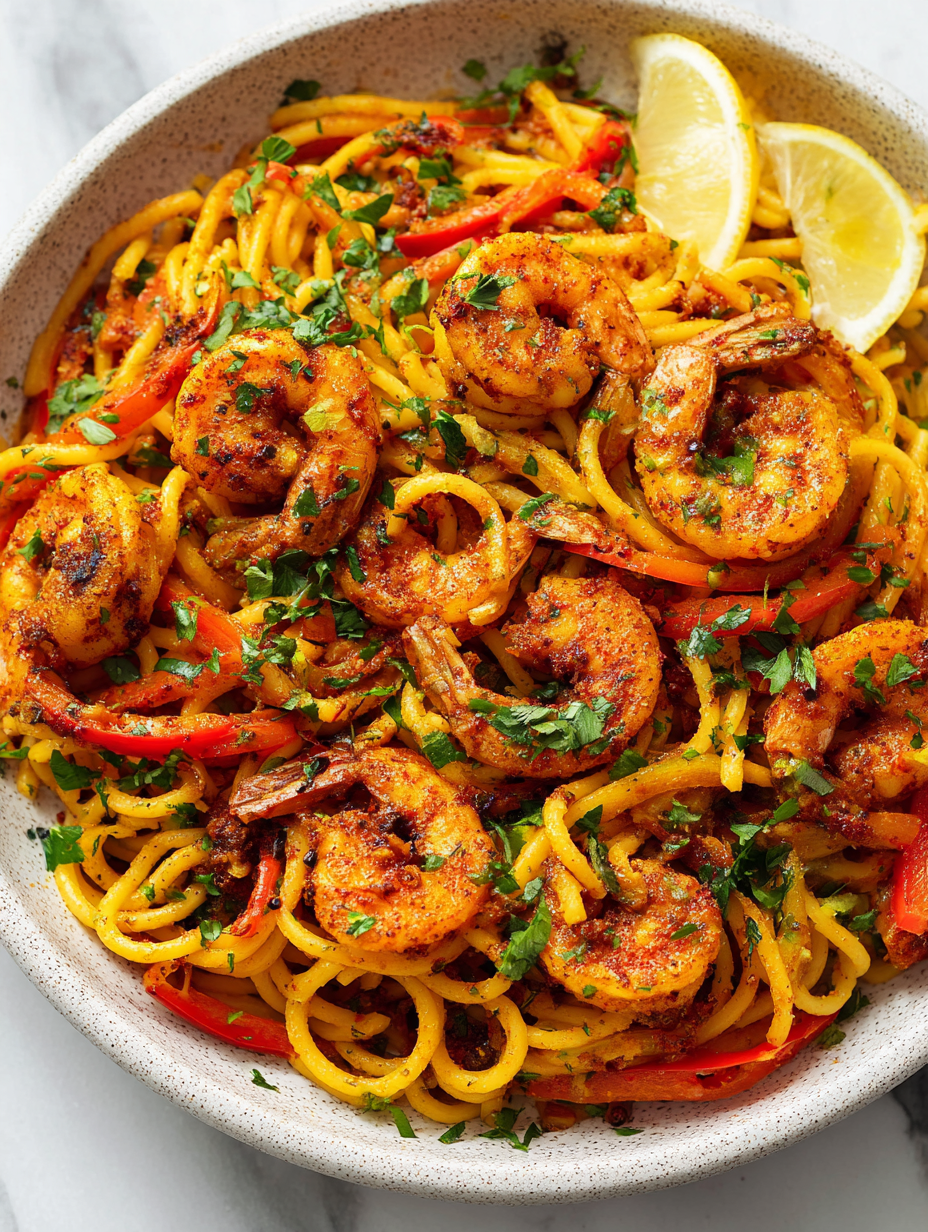
Shrimp Cajun Pasta
Ingredients
Equipment
Method
- Bring a large pot of salted water to a boil, then add the pasta and cook until just al dente, about 8-10 minutes. Drain and set aside.
- While the pasta cooks, heat a large skillet over medium-high heat and add olive oil. Once shimmering, add the seasoned shrimp and cook for about 2-3 minutes per side until pink, lightly caramelized, and fragrant.
- Remove the shrimp from the skillet and set aside. In the same pan, add minced garlic and cook for 30 seconds until fragrant, golden, and nutty-smelling.
- Stir in the Cajun seasoning and cook for another 30 seconds to toast the spices, releasing their smoky aroma. Pour in the heavy cream and bring to a gentle simmer, allowing it to thicken slightly and develop a luscious texture.
- Return the cooked shrimp to the skillet, tossing gently to coat them in the spicy, creamy sauce. Cook for another 1-2 minutes until everything is heated through.
- Squeeze in fresh lemon juice and stir well to brighten the flavors. Taste and adjust seasoning if needed.
- Add the drained pasta to the skillet and toss thoroughly, ensuring each strand is coated in the flavorful sauce. Let it cook together for a minute to meld the flavors.
- Remove from heat, garnish with chopped parsley or green onions if desired, and serve immediately while hot and fragrant. Enjoy the bold, smoky, and spicy flavors in every bite!
Pro tips for Shrimp Cajun Pasta
- Bolded Spice: Toast Cajun seasoning in the pan before adding liquids to unlock smoky, aromatic depth.
- Layer Flavors: Sear shrimp on high heat until pink and slightly caramelized, then remove to prevent overcooking.
- Sauce Consistency: Simmer cream with spices until slightly thickened—aim for a silky, clingy texture that coats pasta.
- Lemon Brightness: Add lemon juice at the end to lift the smoky spices with a fresh, zesty kick.
- Pasta Coating: Toss hot pasta directly into the sauce—this helps the sauce cling better and meld flavors.
- Avoid Burning: Keep an eye on garlic—cook until fragrant but before it turns golden, or it’ll turn bitter.
- Rest Before Serving: Let the dish sit for a minute after mixing—this helps the sauce thicken slightly and flavors develop.
Common mistakes and how to fix them
- TOO MUCH HEAT: Shrimp overcooks quickly—reduce heat or remove sooner to avoid rubbery texture.
- UNDERSALTED: Skipping salt in pasta water or sauce results in bland flavor—season generously for depth.
- OVERCOOKED PASTA: Let pasta drain just shy of al dente—residual heat will finish cooking without mushiness.
- MISSING LEMON: Forgetting lemon juice dulls the dish—add at the end for bright, fresh contrast.
Quick Fixes for Cajun Pasta
- If sauce shimmers and crackles, it’s ready—rescue with a splash of broth if too thick.
- When shrimp turn rubbery, remove from heat immediately—overcooking ruins that tender bite.
- Splash in lemon juice at the end to brighten dull flavors and add freshness.
- Patch bland sauce with a pinch more Cajun spice or a dash of hot sauce—taste and adjust quickly.
- Shield pasta from sticking by tossing it with a bit of olive oil before mixing with sauce.
Prep, store, and reheat tips
- Prep the Cajun spice blend and chop garlic ahead—store in airtight containers for up to a week, keeping the aroma fresh and smoky.
- Peel and devein shrimp in advance; keep covered in the fridge for up to 24 hours. Pat dry before cooking to avoid excess moisture and spattering.
- Cook pasta al dente, toss with a little oil to prevent sticking, then cool and store in an airtight container for up to 2 days. Reheat with a splash of water to restore softness.
- Prepare the sauce base (cream, spices, garlic) a day ahead; refrigerate in a sealed jar for up to 2 days. Reheat gently, stirring often, until bubbling and fragrant again.
- Reheating the dish: warm gently on the stove over low heat, stirring regularly. Expect the sauce to thicken slightly; add a splash of water or broth to loosen it up. The flavors will deepen overnight, so expect a more intense spice profile.
Top questions about Shrimp Cajun Pasta
1. Can I use frozen shrimp?
Use fresh or thawed shrimp, peeled and deveined for the best texture and flavor. Frozen works if thoroughly thawed and patted dry.
2. Should I thaw the shrimp first?
Yes, but make sure to thaw completely and pat dry to prevent excess water from splattering and diluting the sauce.
3. How spicy is this dish?
Cajun seasoning can be spicy or mild depending on your preference. Adjust cayenne or hot sauce to taste for more heat.
4. Can I substitute the cream?
Heavy cream makes the sauce rich and velvety, but half-and-half can be used for a lighter version with slightly less richness.
5. How do I know when the shrimp are done?
Overcooking shrimp turns them rubbery. Sear just until pink and opaque, about 2-3 minutes per side, then remove from heat.
6. Can I make it gluten-free?
Yes, you can replace pasta with gluten-free options like rice noodles or chickpea pasta. Adjust cooking times accordingly.
7. When should I add lemon juice?
Fresh lemon juice brightens the sauce. Add it at the end for a zesty contrast to the smoky spices.
8. How do I control the spice level?
Adjust the seasoning to your taste—more Cajun spice for heat, less for mild flavor. Always taste before serving.
9. How should I cook the pasta?
Cook the pasta until just al dente, then toss with the sauce immediately to prevent sticking and over-softening.
10. How do I reheat leftovers?
Reheat gently over low heat, stirring often. Add a splash of water or broth to loosen the sauce if it thickens too much.
This dish is a reminder that bold flavors can come together quickly, especially when you focus on the aroma of smoky spices and the briny sweetness of shrimp. It’s imperfect, just like cooking should be—sometimes the sauce is a little thicker, or the shrimp are perfectly caramelized, and that’s what makes it real.
In the end, it’s about those moments when the kitchen fills with that spicy, buttery aroma, and you know it’s going to taste just right. A simple, honest recipe that feeds both the body and the soul, right when you need it most.