
This Shrimp Butter Sauce Pasta came about during a week when I wanted something indulgent, but still quick enough after a long day. The richness of butter paired with sweet, tender shrimp feels like a little luxury—simple, honest, and satisfying. It’s one of those dishes that makes you pause and appreciate the small, pure flavors in everyday cooking.
What I love most is how the butter acts as a silky canvas, soaking up the lemon brightness and the natural sweetness of the shrimp. It feels fancy, but really, it’s just a handful of ingredients thrown together with a little attention. Perfect for a weeknight treat that’s comforting without feeling heavy. Sometimes, I toss in a handful of herbs or a pinch of chili for a little extra kick, but honestly, this dish shines on its own.
Focusing on how the richness of butter can be balanced with the sweetness of shrimp and a splash of lemon, making this dish feel like a luxurious, yet easy, weeknight treat.
Balancing Richness with Brightness
- Sharing this dish reminds me of lazy summer nights by the coast, where the smell of butter and shrimp mingled in the air.
- There’s a quiet pride in turning simple ingredients into something that feels indulgent—like a small victory on busy weeknights.
- Cooking this always takes me back to my grandmother’s kitchen, where she’d toss everything in a hurried, joyful rush.
- Sometimes, I feel a rush of relief when the buttery sauce coats the pasta perfectly—like everything just clicks into place.
- I get a little thrill from squeezing that splash of lemon right before serving, watching the sauce shimmer with bright, fresh energy.
The story behind this recipe
- This dish was born out of a lazy Saturday afternoon craving something rich but quick. I remember rummaging through the fridge, finding a handful of shrimp and a stick of butter, and thinking, why not turn this into something special? The smell of melting butter, the gentle sizzle of shrimp—those simple moments feel like a small celebration of everyday cooking.
- What started as a spontaneous experiment became a go-to for me—something I make when I want comfort but don’t want to spend hours in the kitchen. It’s honest, straightforward, and feels like a little secret I can share with friends or keep all to myself on a quiet night. That balance of buttery richness and bright lemon keeps pulling me back to it, no matter how many new recipes I try.
- Sometimes, I add a splash of white wine or a pinch of red pepper flakes just to shake things up, but mostly, I stick to what works—shrimp, butter, lemon, and pasta. It’s a reminder that the best dishes often come from trusting simple ingredients and a little intuition.
Trivia and origins of the dish
- This dish has roots in coastal Italian cooking, where butter and seafood are staples for quick, rich meals.
- Historically, butter-based sauces for pasta gained popularity in regions where dairy was abundant and affordable.
- The combination of shrimp and butter became a comfort food in many seaside communities, celebrated for its simplicity and flavor.
- In some traditions, a splash of lemon was added to cut through the richness, balancing the dish perfectly.
- Modern twists on this classic often include herbs or chili flakes, but the essence remains a celebration of buttery seafood.
Ingredient breakdown: key components
- Shrimp: I love using large, deveined shrimp that are sweet and tender; their natural juiciness adds a wonderful contrast to the creamy sauce. Swap for scallops if you want a more decadent feel.
- Butter: I stick with unsalted, real butter to get that rich, velvety mouthfeel. If you need a dairy-free version, try coconut oil but be aware it won’t have the same mellow flavor.
- Garlic: Fresh garlic is a must for that pungent, aromatic kick. If you’re out, garlic powder works — but it’s not quite as punchy and fragrant.
- Lemon: Brightens everything up with a splash of lemon juice—fresh lemon zest can add even more zing. Lime can be a good substitute for a slightly different citrus note.
- Pasta: I prefer spaghetti or linguine that can hold onto the sauce; al dente is key. Whole wheat pasta adds a nuttier flavor if you want to tweak the classic.
- Olive Oil: Just a splash for sautéing the garlic and shrimp. Use good-quality extra virgin to deepen the flavor, or skip if you want a leaner sauce.
- Parsley: Fresh chopped parsley adds a pop of color and herbal freshness. Basil or chives can be nice alternatives depending on your mood.
Spotlight on key ingredients
Shrimp:
- I love using large, deveined shrimp that are sweet and tender; their natural juiciness adds a wonderful contrast to the creamy sauce. Swap for scallops if you want a more decadent feel.
- Butter: I stick with unsalted, real butter to get that rich, velvety mouthfeel. If you need a dairy-free version, try coconut oil but be aware it won’t have the same mellow flavor.
Butter:
- I stick with unsalted, real butter to get that rich, velvety mouthfeel. If you need a dairy-free version, try coconut oil but be aware it won’t have the same mellow flavor.
- ingredient
Notes for ingredient swaps
- Seafood Alternatives: Scallops or firm white fish can replace shrimp, offering a different but equally luscious experience. They’ll need slightly less cooking time to stay tender.
- Dairy-Free: Coconut oil or vegan butter can mimic the silky richness, but the flavor will shift towards nuttier or more plant-based notes.
- Garlic: Garlic powder or roasted garlic cloves work in a pinch, though the punch and aroma won’t be quite the same. Roasted adds a mellow, sweet depth.
- Lemon: Lime juice gives a similar acidity with a slightly different citrus profile, brightening the dish just as well.
- Pasta: Whole wheat or gluten-free pasta adds a nuttier or different texture; just adjust cooking time and keep an eye on doneness.
- Butter: Ghee can be a good substitute for a richer, nuttier flavor. For a leaner option, try avocado oil, which won’t melt in quite the same way but still coats well.
- Herbs: Basil or chives can replace parsley for a fresh, slightly different herbal note that complements seafood.
Equipment & Tools
- Large skillet: For sautéing shrimp and making the sauce evenly.
- Pasta pot: To boil pasta efficiently and reach the right texture.
- Slotted spoon: To remove shrimp without breaking or overcooking.
- Peeler or zester: To add fresh lemon zest for bright flavor.
- Chef’s knife: For mincing garlic and chopping parsley.
Step-by-step guide to shrimp butter sauce pasta
- Gather your equipment: a large skillet (for even heat), a slotted spoon (for shrimp), and a pasta pot (for boiling). Keep a small bowl of lemon zest and chopped parsley nearby.
- Bring a large pot of salted water to a rolling boil, about 100°C (212°F). Cook pasta until just al dente, about 8 minutes, then drain and set aside.
- While pasta cooks, heat the skillet over medium heat (about 160°C / 320°F). Add a tablespoon of olive oil, then toss in 3-4 minced garlic cloves. Sauté until fragrant, about 30 seconds, until it smells pungent and slightly golden.
- Add the shrimp to the skillet. Cook for 2-3 minutes per side, until they turn opaque and pink. If they start to curl tightly, they’re just about done. Remove shrimp and set aside, leaving the oil in the pan.
- Lower heat to medium-low (about 130°C / 265°F). Add 4 tablespoons of unsalted butter to the same skillet. Let it melt slowly, bubbling gently, until it turns a light golden color—about 2 minutes. Swirl occasionally.
- Return shrimp to the skillet along with the cooked pasta. Toss everything gently to coat the pasta in the buttery sauce. Squeeze in a tablespoon of lemon juice and add lemon zest for brightness. Mix well, about 1 minute.
- Taste and adjust seasoning with salt, pepper, or more lemon if needed. If the sauce is too thick, splash a little warm pasta water to loosen it up.
- Turn off heat. Sprinkle with chopped parsley, give it one last toss, then transfer to serving plates. Drizzle with a tiny bit more butter or olive oil if desired.
Let the pasta sit for a minute after plating to settle. Finish with a final squeeze of lemon and a sprinkle of parsley for freshness. Serve immediately while warm and fragrant.
How to Know It’s Done
- Shrimp are opaque and pink, with a slight bounce when pressed.
- Butter sauce is silky, glossy, and lightly golden, coating pasta evenly.
- Pasta is al dente, with a slight chew, and flavored with butter and lemon.
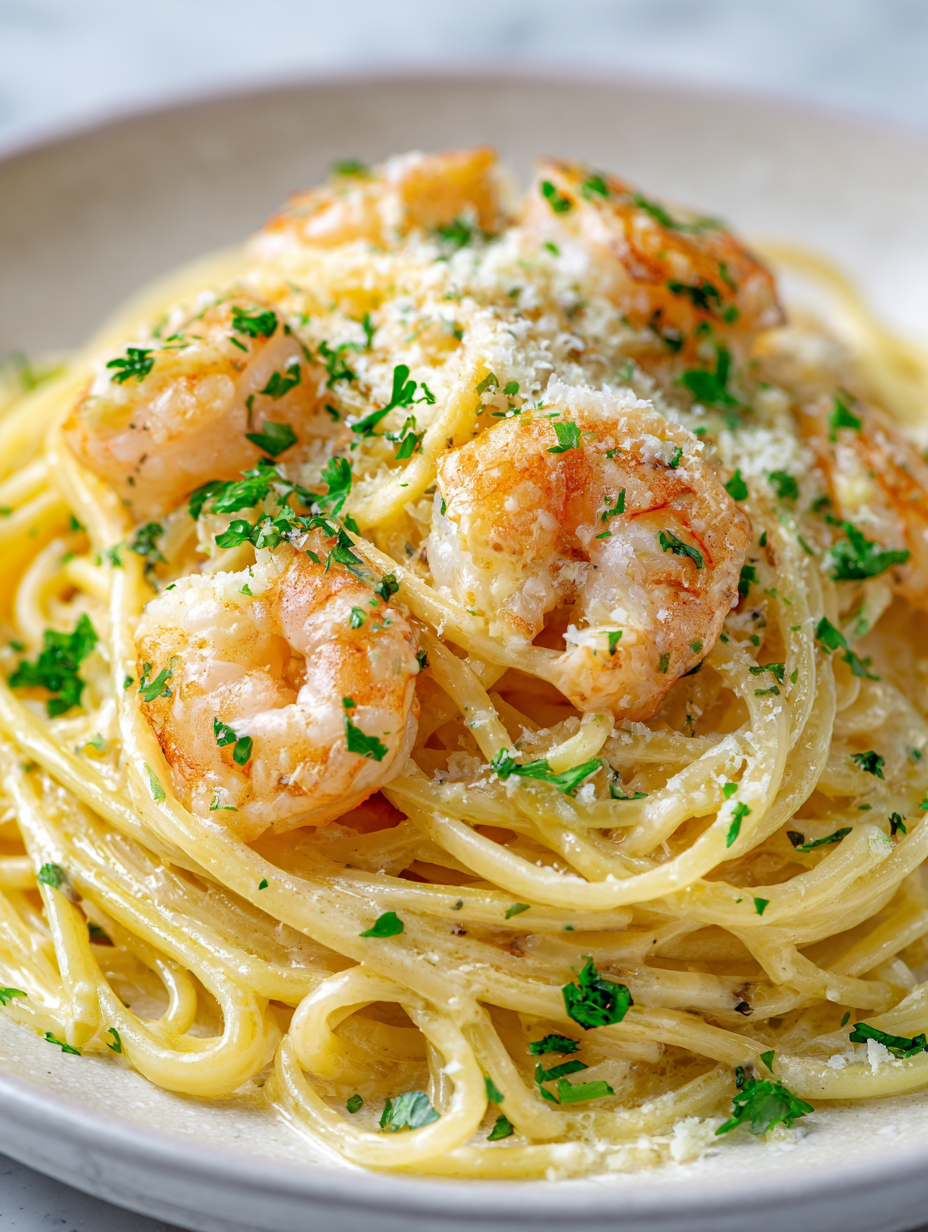
Shrimp Butter Sauce Pasta
Ingredients
Equipment
Method
- Bring a large pot of salted water to a rolling boil, then add the pasta and cook until just al dente, about 8 minutes. Drain and set aside.
- Meanwhile, rinse the shrimp and pat them dry. Heat a large skillet over medium heat, then add a tablespoon of olive oil. Toss in the shrimp and cook for 2-3 minutes per side until they turn opaque and pink. Remove the shrimp from the skillet and set aside.
- Add the minced garlic to the same skillet and sauté for about 30 seconds until fragrant, the aroma should be pungent and the garlic slightly golden.
- Lower the heat to medium-low, then add the butter to the skillet. Let it melt slowly, bubbling gently and turning a light golden color, swirling the pan occasionally for even cooking.
- Once the butter has turned golden, return the cooked shrimp to the skillet along with the drained pasta. Toss gently to coat everything evenly in the rich, buttery sauce, allowing the flavors to meld for about a minute.
- Squeeze in the fresh lemon juice and sprinkle with lemon zest, then toss again to brighten the dish with a fresh citrus aroma.
- Season with salt and freshly ground pepper to taste, adjusting the seasoning as needed. If the sauce feels too thick, stir in a splash of warm pasta water to loosen it up.
- Remove from heat, then sprinkle with chopped parsley for a vibrant herbal note. Give everything a gentle toss to combine.
- Serve immediately while warm, garnished with extra lemon wedges or parsley if desired, and enjoy the silky, flavorful pasta with tender shrimp.
Pro tips for perfect shrimp butter sauce
- Use high-quality butter for a richer, creamier sauce with a nutty aroma.
- Sauté garlic gently until fragrant; avoid browning to keep it sweet and pungent.
- Cook shrimp just until they turn opaque and pink; overcooking makes them rubbery.
- Add butter off the heat, then swirl to prevent separation and create a silky texture.
- Use warm pasta water to loosen the sauce if it thickens; it helps everything coat better.
- Squeeze lemon at the end to brighten flavors without diluting the sauce’s richness.
- Toss in herbs just before serving to keep their fresh, vibrant aroma intact.
Common mistakes and how to fix them
- FORGOT to watch heat levels → Keep an eye on butter to prevent burning.
- DUMPED all the butter at once → Add butter gradually for creamy, silky sauce.
- OVER-TORCHED the shrimp → Sauté shrimp just until opaque to avoid rubbery texture.
- MISSED stirring the sauce → Stir continuously after adding butter to prevent separation.
Quick fixes and pantry swaps
- When sauce breaks, splash in a teaspoon of warm water and whisk vigorously.
- If shrimp curl too tightly, reduce heat and cook just until pink and tender.
- Dumped too much salt? Rinse pasta briefly under cold water to stop the salinity.
- Over-torched garlic? Add a splash of lemon juice to mellow the burnt flavor.
- Splash olive oil when sauce shimmers and crackles for a glossy finish.
Prep, store, and reheat tips
- Prep the shrimp: peel, devein, and pat dry up to a day in advance. Keep refrigerated; sensory cue is firm texture and fresh scent.
- Cook the pasta ahead: drain and toss with a little olive oil to prevent sticking. Store in an airtight container for up to 2 days in the fridge.
- Make the butter sauce: prepare and refrigerate in a sealed jar for up to 24 hours. Reheat gently on low heat, watching for bubbling and aroma of toasted garlic.
- Reheat leftovers: gently warm in a skillet over low heat, stirring frequently. The sauce may thicken; add a splash of warm water or lemon juice to loosen.
- Flavor intensifies over time: the lemon and butter meld into a richer, slightly more pungent sauce after a day or two. Best enjoyed within 48 hours.
Top questions about shrimp butter sauce pasta
1. Can I use smaller shrimp?
Use large, deveined shrimp for the best texture and sweetness. Smaller shrimp cook faster and can become rubbery if overdone.
2. What if I don’t want to use butter?
Yes, you can swap butter for olive oil or coconut oil, but the sauce will be less rich and creamy.
3. How should I cook the pasta?
Cook pasta until just al dente, about 8 minutes. Overcooked pasta becomes mushy and won’t hold the sauce well.
4. When should I add lemon?
Add lemon juice at the end for brightness. It enhances the flavor and balances the richness of the butter.
5. Can I use garlic powder?
Use fresh garlic for aromatic punch. Garlic powder can work in a pinch, but it won’t be as pungent or fragrant.
6. How do I reheat the dish?
Reheat leftovers gently in a skillet over low heat, stirring constantly. Add a splash of warm water or lemon to loosen the sauce.
7. Which herbs work best?
Use fresh parsley or basil for a herbal touch. Dried herbs can be used but will lose some brightness.
8. Can I add other flavors?
Add a pinch of chili flakes for heat, or a splash of white wine for depth. Adjust to your taste preferences.
9. Why does the sauce break sometimes?
To prevent sauce separation, remove the pan from heat before adding butter, then swirl until melted.
10. What if the sauce is too thick?
If the sauce is too thick, stir in a little warm pasta water to loosen it and help it coat better.
This dish is a little reminder that simple ingredients can come together in a way that feels indulgent and comforting. The buttery sauce with shrimp offers a moment of rich, bright flavor that’s perfect for any night that calls for something satisfying without fuss.
Cooking it feels like a small act of care—a splash of lemon, a swirl of butter—that turns ordinary ingredients into something memorable. It’s a dish I return to when I want to feel a bit cozy and a little fancy, all at once.